
The Best Business to Start at 50, 55 or Semi-Retired: A Checklist
October 23, 2026 · FloorIt Insights
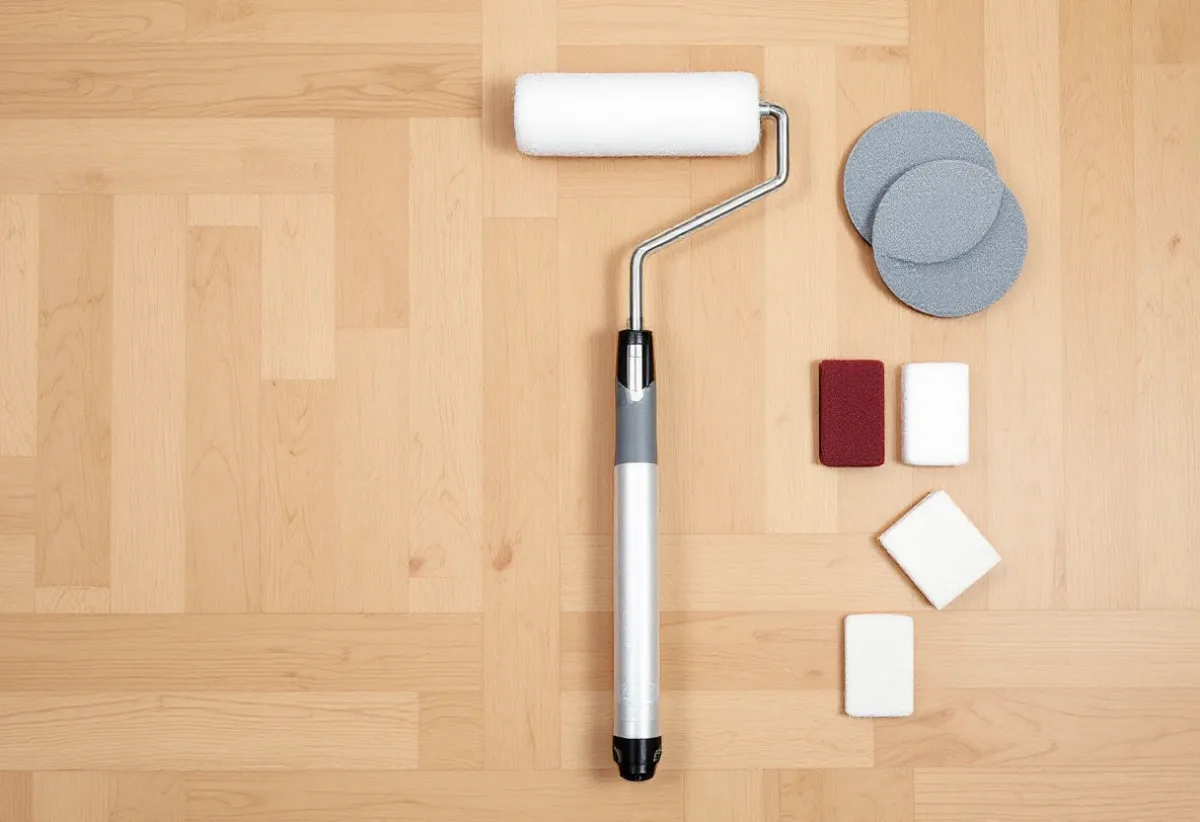
The best business to start at 50 is one that does not risk money you cannot replace, does not wreck your body, can start beside your job, and uses skills and contacts you already have. Age is an advantage in a service business, because homeowners trust people who show up on time and explain things plainly. This post gives you a checklist to test any idea, the questions to ask before you spend a dollar, and how a floor recoat business stacks up against it.
Why so many people start at 50 and up
Most of the people we talk with at FloorIt who share their age are over 50. Many still hold a job and are counting down to retirement. Some feel like they are working for half their paycheck. Others are not looking to work the rest of their lives for someone else, and want something they own, maybe something to pass down.
They also share the same fears. The biggest is money: the price, the cash, the credit and the debt. The next is whether the thing is real and proven. If those are your fears too, good. They are the right ones, and the checklist below is built around them.
The checklist
Run every idea through these questions. An idea that fails two or more is not the right one for this stage of life.
- Can you start without quitting your job? Your paycheck is your safety net while the business proves itself.
- Can you afford to lose what you put in? If losing it would change your retirement, it is too much.
- Is the work easy on your body? Avoid roofs, ladders all day and heavy lifting as a daily routine.
- Can you hire someone to do the physical part later? A business you can step back from is worth more.
- Does it pay well per hour? Fewer, bigger jobs beat many small ones when your time is limited.
- Does it use what you already know? Trades, cleaning, sales and managing people all carry over.
- Do you own it at the end? Your name, your customers, your reviews.
- Can you check it out before you pay? Real company, real contract, clear costs, a way out.
Money first: what to protect
Decide on a number you could lose without changing your life, and stay under it. Ask what the total cost is over the first year, not just the price to start. Ask what you keep paying after: royalties, monthly fees, required purchases. A franchise often adds a royalty on every job for as long as you own it.
If you plan to use retirement savings, talk to a financial advisor or a CPA first. If you plan to finance, know the monthly payment and how many jobs it takes to cover it before you sign.
Your body: what the work really asks
Some home services are hard on a 55-year-old back. A full sand and refinish means a heavy sanding machine and days of dust. A buff and recoat is lighter. You guide a floor buffer that weighs about 110 pounds and does the work as it spins, then roll on the finish standing up, with a pole. One person does an average floor in about 3 hours.
It is still real work. You kneel for the edges and corners, and you load the buffer into your vehicle. If that is too much, you can hire a tech to do the floors and run the business yourself.
Time: start beside your job
The safest way to start at 50 is part time. A recoat fits in a morning or an afternoon, so one job on a Saturday works around a weekday job. The hard part is not the floor. It is the phone. Leads come in during the day, and homeowners who wait too long for a call often book someone else.
Do not quit because a few weeks went well. Build it beside the job until the business has real money in the bank, then decide on your own terms.
Experience: what you already bring
People over 50 often undersell what they know. If you have run a crew, you can run a tech. If you have sold anything, you can run an estimate. If you have worked in homes, you already know how to treat them. The people FloorIt fits best are hands-on people who are already in homes every week, like carpet, cleaning and floor-care operators.
You do not need flooring experience. The recoat is a step-by-step process, and you do a practice floor before your first paid job.
How a floor recoat business scores
Run it through the checklist. It can start beside a job. It is indoor work, so weather rarely stops it. It is lighter than sanding, and you can hire out the floor work. Jobs are few and big: homeowners commonly pay about $1.50 to $3 a square foot, about $1,500 to $3,000 on a 1,000 square foot floor. In our job example, an average $2,499 job leaves about $1,973 before your labor and taxes. That is an example, not a promise.
With FloorIt, the business is in your own name, so the brand, the customers and the reviews are yours. There is no franchise fee and no royalty. The one-time investment is covered on the call, and you know the full amount before you sign.
When it is not the right fit
A recoat business is not right for you if you need it to pay your bills next month, if you cannot answer your phone fast during the day, or if you want money without doing any work. It is also a poor fit in a very small town with few homes. Be honest with yourself about those before you look any further.
Common questions
- Is 50 too old to start a business?
- No. Many people start service businesses at 50 and later. The key is to protect your savings, start beside your job and choose work that is easy enough on your body.
- What business can I start at 55 with little physical work?
- Look for work you can hire out later. In a floor recoat business, you can do the first jobs yourself and then hire a tech while you run estimates and the business.
- Should I use my retirement savings to start a business?
- Talk to a financial advisor or CPA first. Only put in what you could lose without changing your retirement.
- Can I start a business while still working before retirement?
- Yes, and it is the safer way. A recoat takes about 3 hours, so one job fits on a weekend morning.
Ready to bring the recoat to your city?
One partner per area. Check if yours is open.
More Insights
How Many Homes Have Hardwood Floors? What It Means for a Recoat Business
October 17, 2026
A Home Service Business That Stays Busy in Winter: 5 Years of Data
October 17, 2026
Hardwood Floor Demand Calculator: How to Read Your Area's Report
October 17, 2026
An Add-On Service for Home Service Companies: Why Owners Add Recoats
October 17, 2026
How to Recoat Hardwood Floors, Step by Step: All 7 Stages of a Job
October 17, 2026
Facebook Ads for Flooring: Cost per Lead, per Estimate and per Job
October 17, 2026